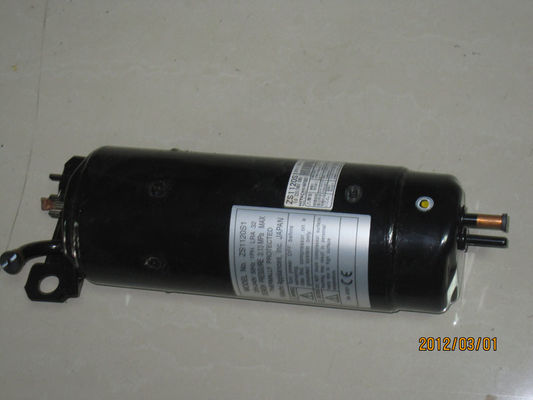
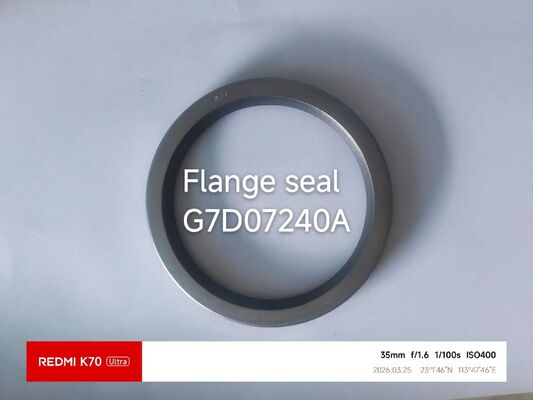
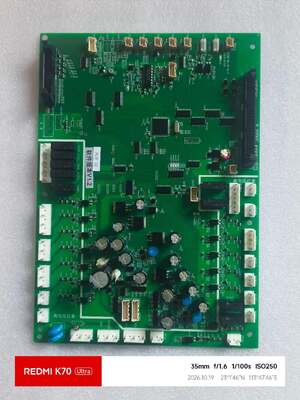
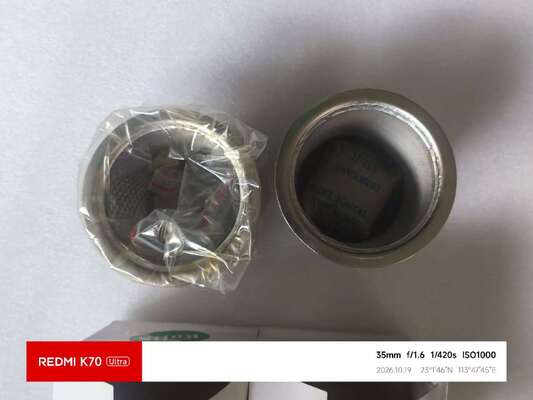
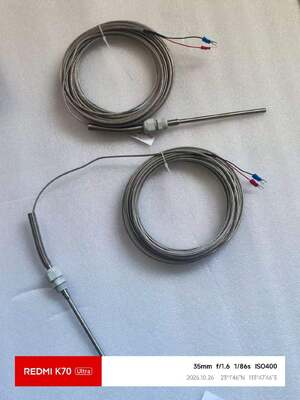
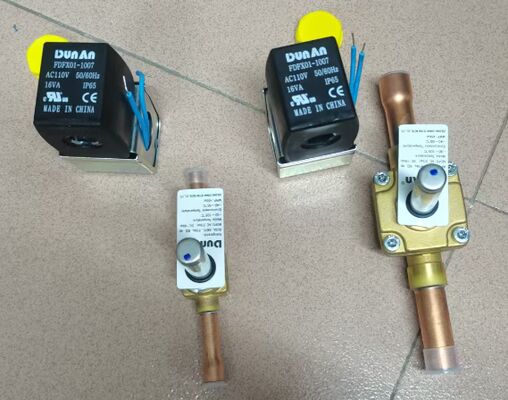
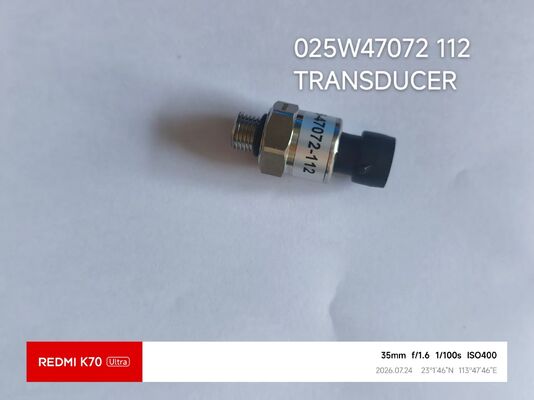
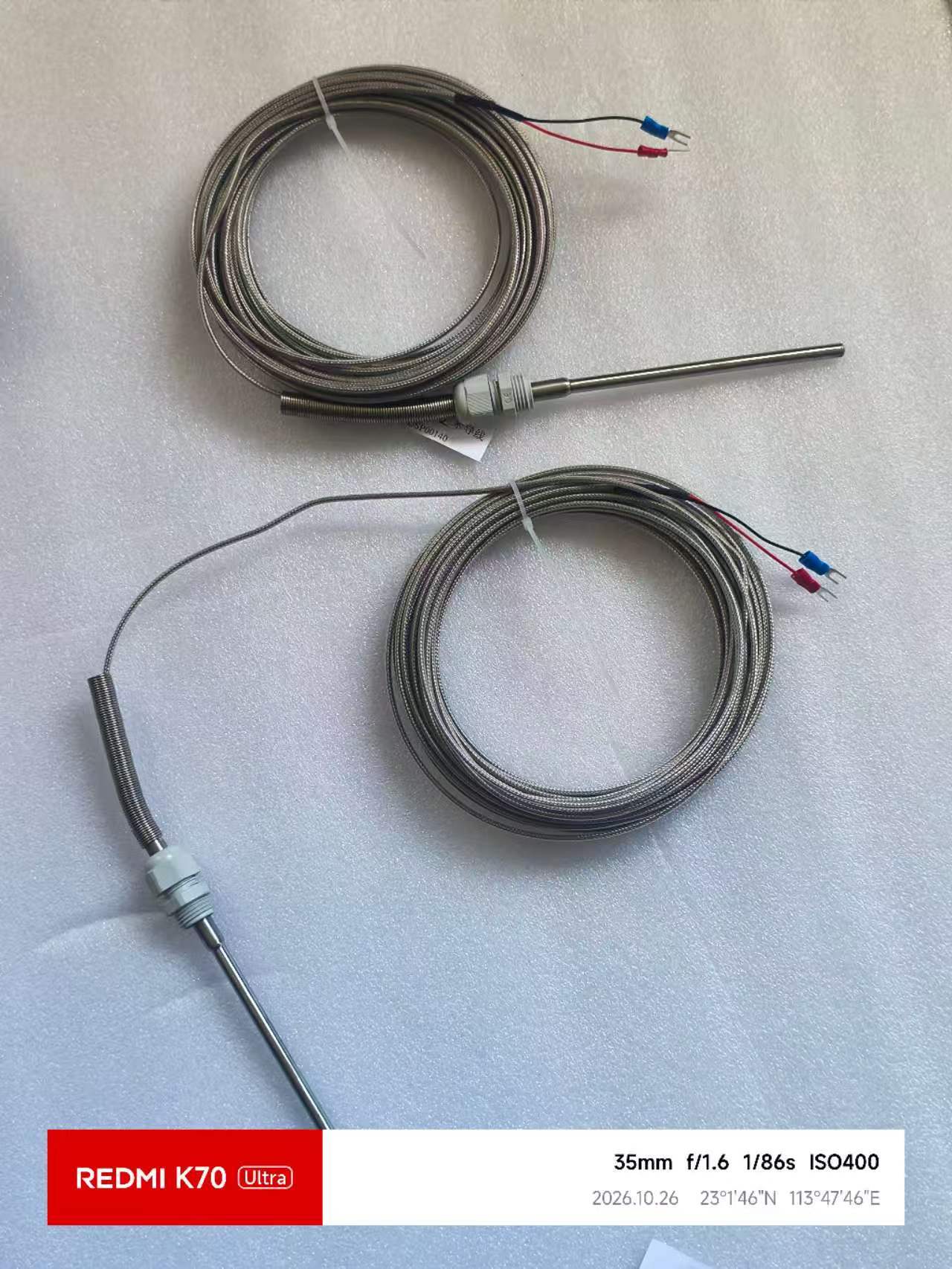
Hitachi centrifuge HC-F900GSG-S maintenance parts WRNKT-2906 GSP00140

The main function of centrifuge sensors is to monitor various key parameters during centrifuge operation in real time, converting physical quantities such as vibration, temperature, pressure, speed, oxygen concentration, etc. into electrical signals for equipment status monitoring, safety protection, and fault warning.
Classified by monitoring objects
Vibration monitoring: The most common is installed on the bearing cover or casing to measure vibration velocity, displacement, or acceleration. Abnormal vibration often indicates rotor imbalance, misalignment, bearing wear, or loose parts. Early warning can prevent "machine explosion" or unplanned shutdown.
Temperature monitoring: often integrated with vibration, real-time measurement of bearing or casing temperature. A sudden temperature change is a signal of friction overload or lubrication failure, and exceeding the threshold triggers an alarm.
Pressure monitoring: such as pore water pressure sensors, used for measuring pore water pressure in laboratory centrifuges, and can also monitor dynamic pressure in hydraulic or pneumatic systems.
Speed monitoring: measuring rotor speed through laser or electromagnetic principles for speed control and vibration frequency analysis.
Gas concentration monitoring: When handling flammable solvents in pharmaceutical and chemical centrifuges, the nitrogen protection system is equipped with oxygen sensors and combustible gas sensors to control the oxygen concentration outside the explosive limit. In case of leakage, an interlock alarm is triggered and ventilation is activated.
Core Values
Safety protection: Immediate alarm when vibration or temperature exceeds the threshold, automatic shutdown when severe, to avoid equipment damage and personnel injury.
Predictive maintenance: By continuously collecting vibration and temperature data, potential hazards such as bearing defects, misalignment, and impeller wear can be detected early, and maintenance can be arranged in advance to reduce unplanned downtime losses.
Operation optimization: Real time data helps operators determine whether the equipment status is normal, providing a basis for process adjustments.
There are many types of centrifuge sensors, should we continue to see how vibration sensors distinguish between speed and acceleration? What are the key parameters for selecting temperature sensors?
2.Oil Strainer
3.Moisture ind
4.Filter dryer

 Your message must be between 20-3,000 characters!